
Vibratory Feeder Maintenance Guide
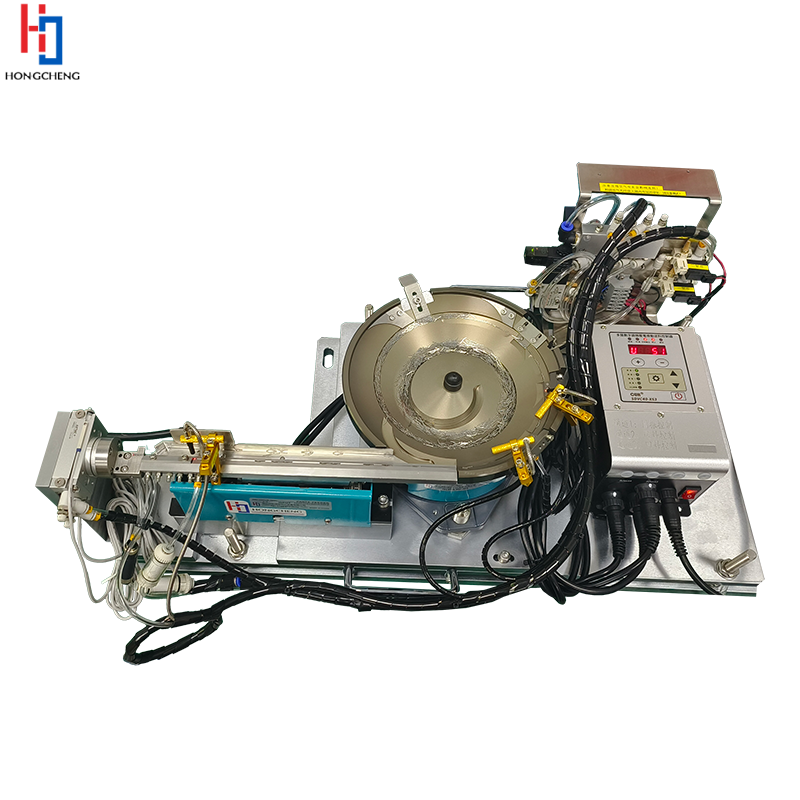
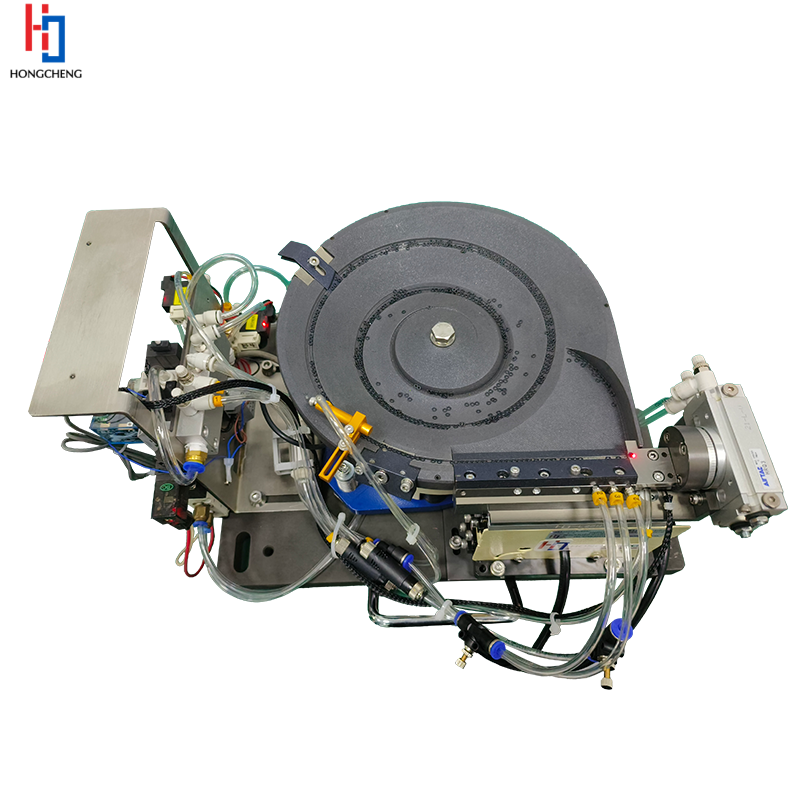
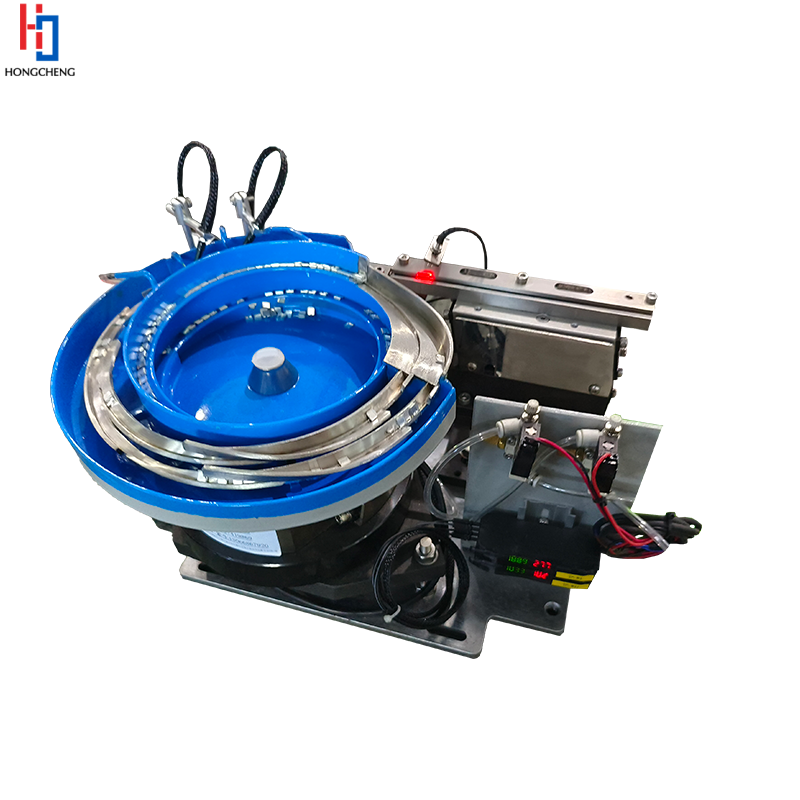
In the electronics, automotive, and new energy industries, the vibratory bowl feeder plays a crucial role. For precision and small-sized parts, the vibratory feeder provides oriented sorting and conveying to connect the overall automated production line. During operation, proper maintenance of the vibratory bowl feeder ensures stable feeding performance and extends the service life of the automatic feeding system.
Keep the Feeding Bowl and Track Clean
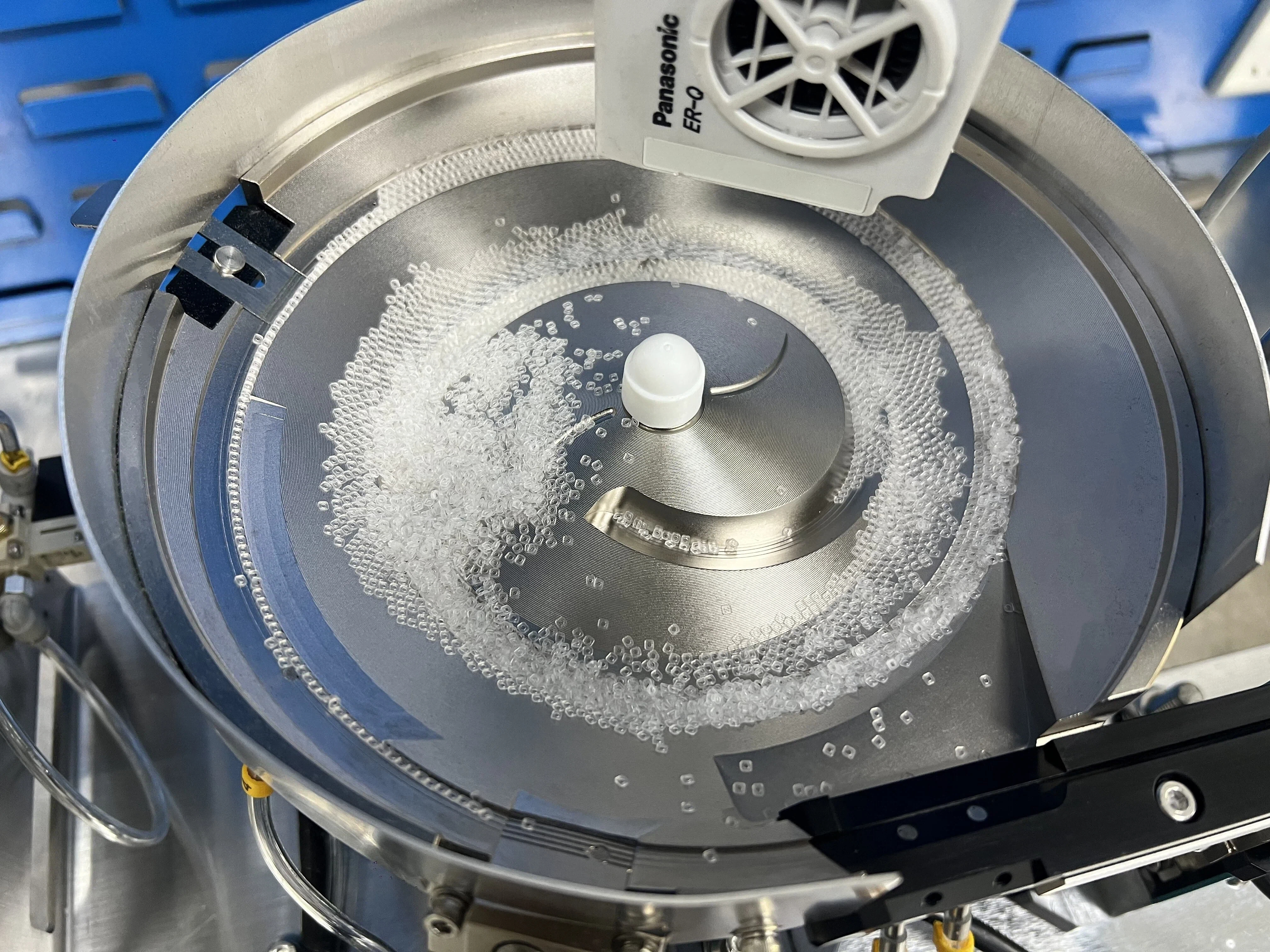
The feeding bowl and track of the vibratory feeder must be kept clean. Accumulated dust, debris, or oil stains on the surface of the vibratory bowl feeder can interfere with its operation. Operators need to regularly clean the bowl and track of the vibratory bowl feeder to prevent blockages and ensure the smooth conveying of parts by the automatic feeding system.
In one of our customer cases, a company working with O-rings faced an issue where the oil stains on the surface of their O-rings caused the rings to stick together during transport. To address this, we implemented a technical solution involving a Teflon-coated vibratory feeder surface and screening technology, ensuring the O-rings were conveyed along the track according to the customer's specifications. Of course, this was supported by the regular cleaning efforts of the customer's operators on both the bowl and track. Through this dual approach, the vibratory feeder achieved stable feeding performance.
Monitor Vibration Stability
Stable vibration is crucial to the performance of a vibratory feeder. Unstable vibration can reduce the feeding speed of the vibratory feeder and cause issues such as misalignment or failure of the materials to move forward. Operators can make adjustments through the vibratory feeder controller and the linear feeder controller, observe the movement of parts within the automatic feeding system, and fine-tune the controllers to ensure the smooth operation of the vibratory feeder. Proper vibration monitoring prevents blockages and ensures precise delivery.
Inspect the Controller and Sensors
The vibratory feeder controller regulates vibration frequency and amplitude. Fiber optic sensors or photoelectric sensors in the electronic component feeder detect part presence along the automatic parts feeding system. Operators should inspect controller settings and sensor functions regularly. Maintaining sensor accuracy ensures the vibratory bowl feeder delivers small components reliably to assembly machines.
Check Springs and Mechanical Components
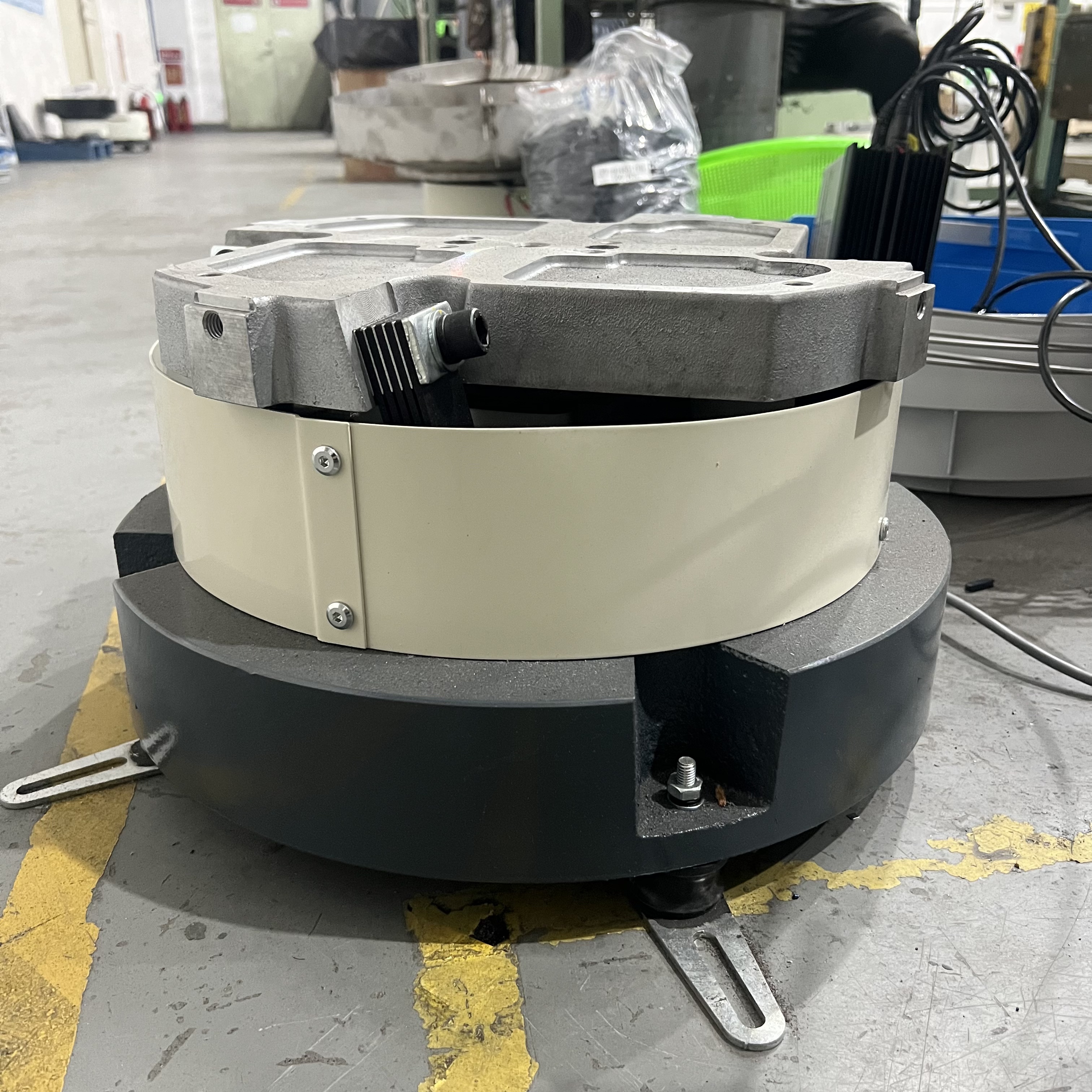
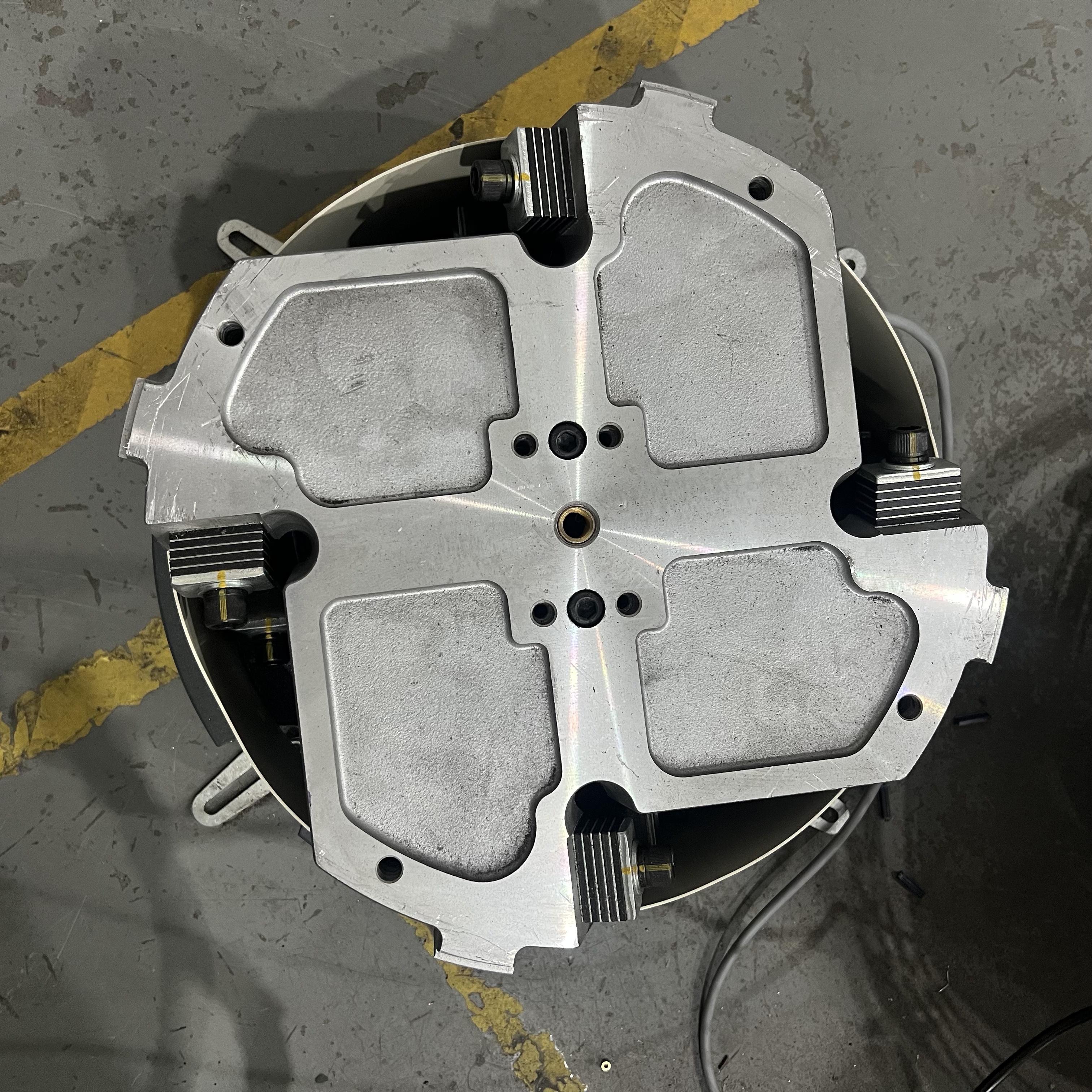
Springs transmit vibration from the base to the vibratory bowl feeder. Over time, springs and mounting bolts in the vibratory feeder may loosen or wear. Operators should inspect springs, tighten bolts, and ensure the vibratory feeder remains stable. A stable vibratory feeder allows the automatic parts feeding system to maintain consistent electronic component feeder performance.
Establish a Preventive Maintenance Routine
A preventive maintenance routine ensures long-term vibratory feeder performance. Daily tasks include cleaning the vibratory bowl feeder and track. Weekly tasks include checking vibration stability and sensor functions. Monthly tasks include inspecting springs, mounting bolts, and controller connections. Consistent preventive maintenance allows the electronic component feeder and automatic parts feeding system to operate efficiently.
Vibratory feeders are essential in electronics, automotive, and new energy automated production. Regular maintenance of the vibratory feeder and vibratory bowl feeder guarantees stable feeding, reliable electronic component feeder operation, and long-term service life.
