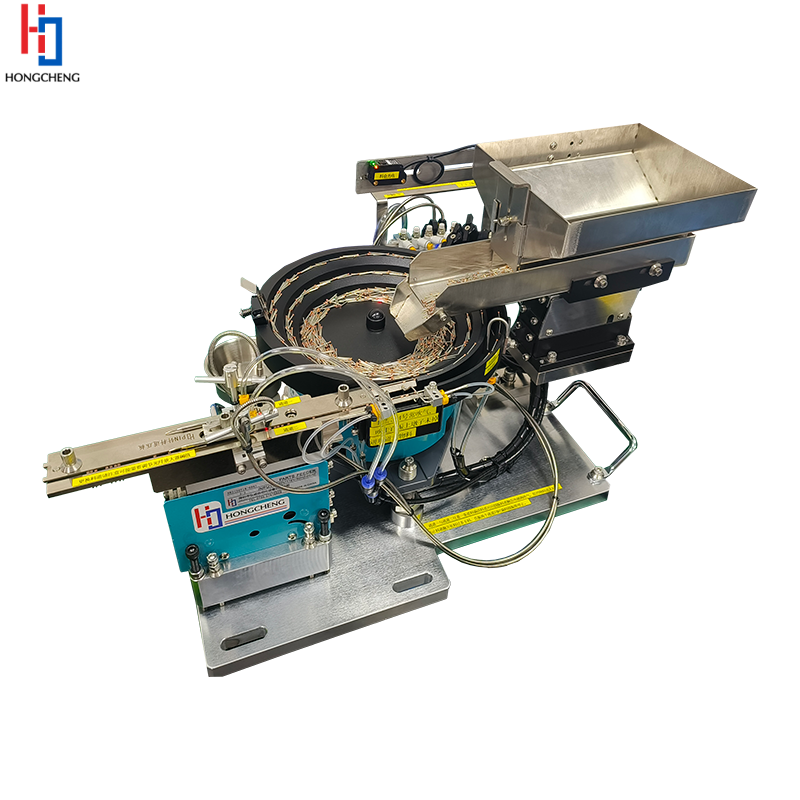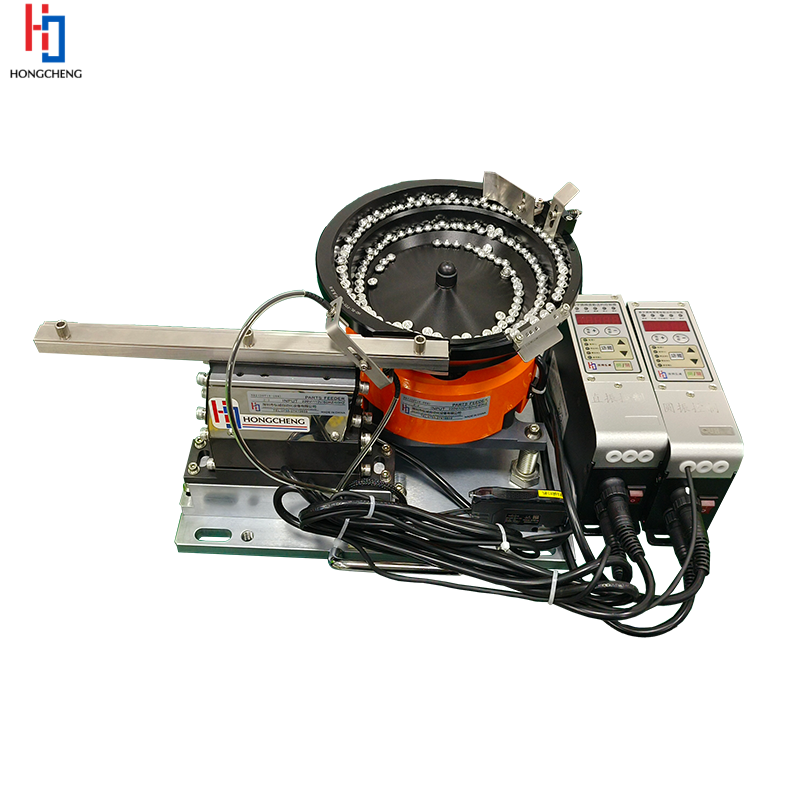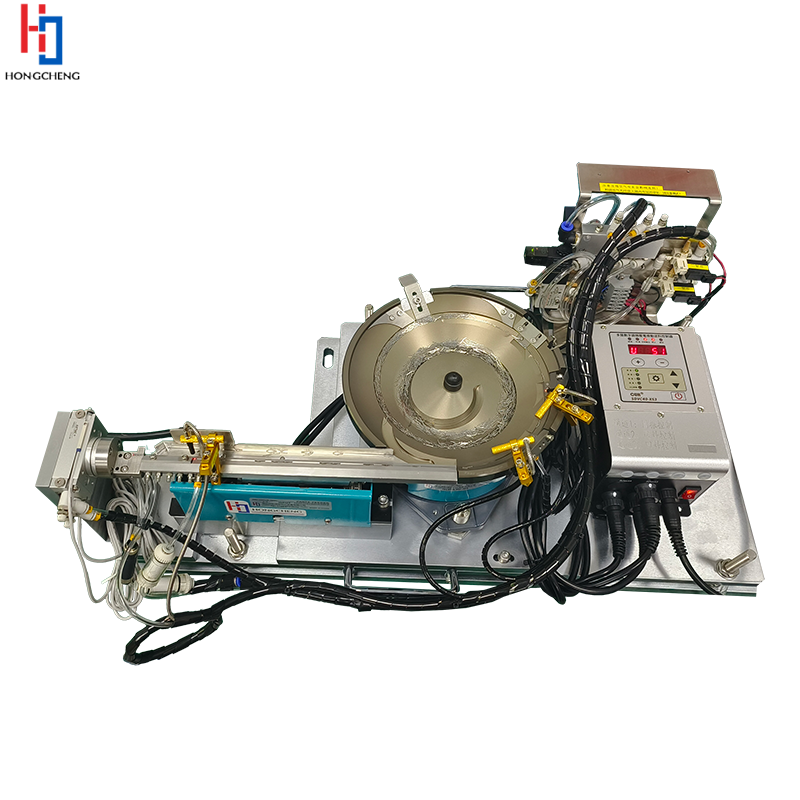
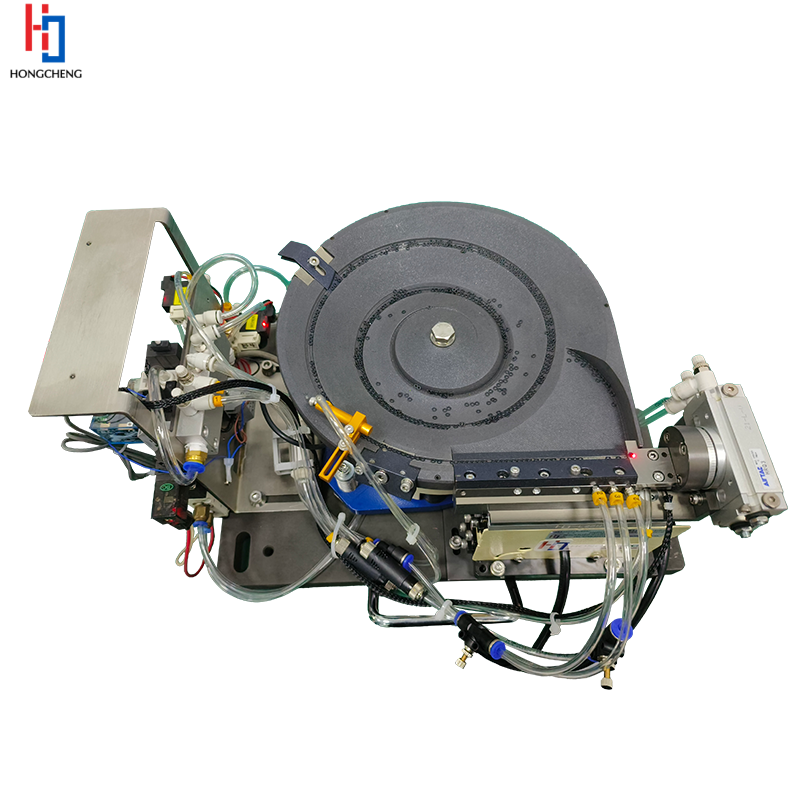
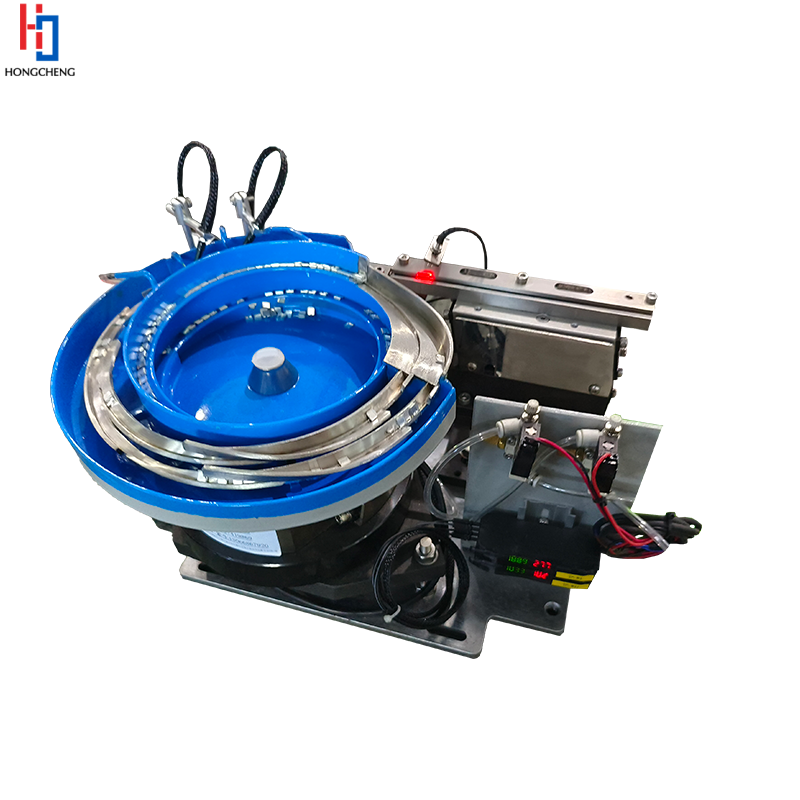
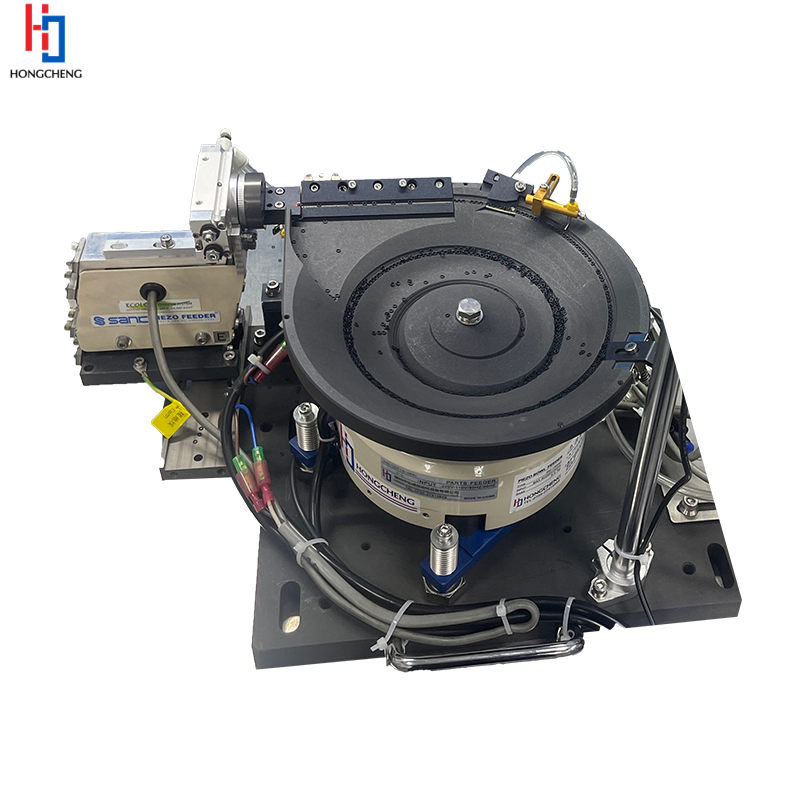
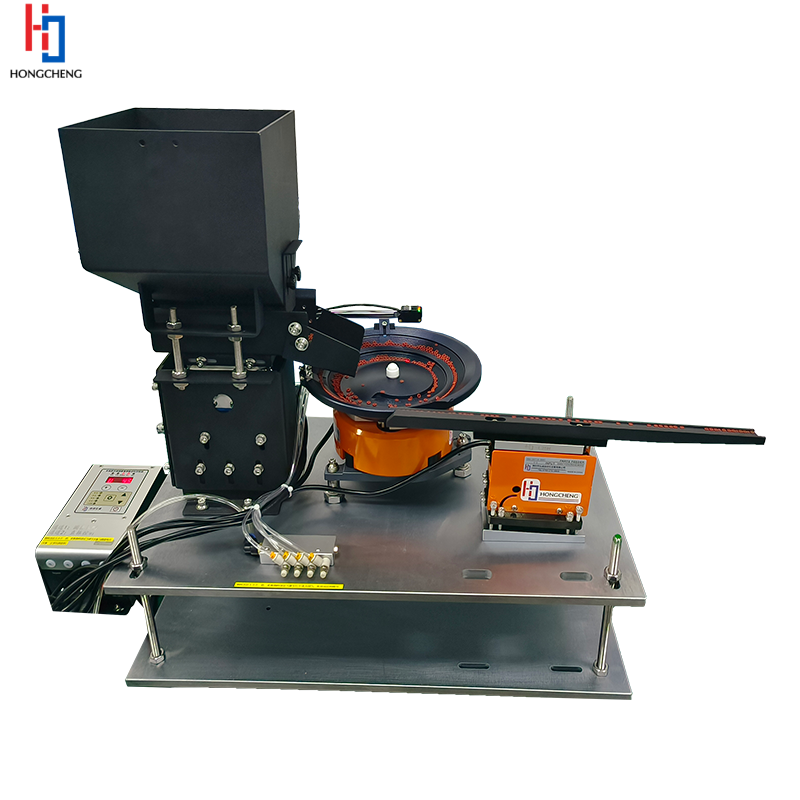
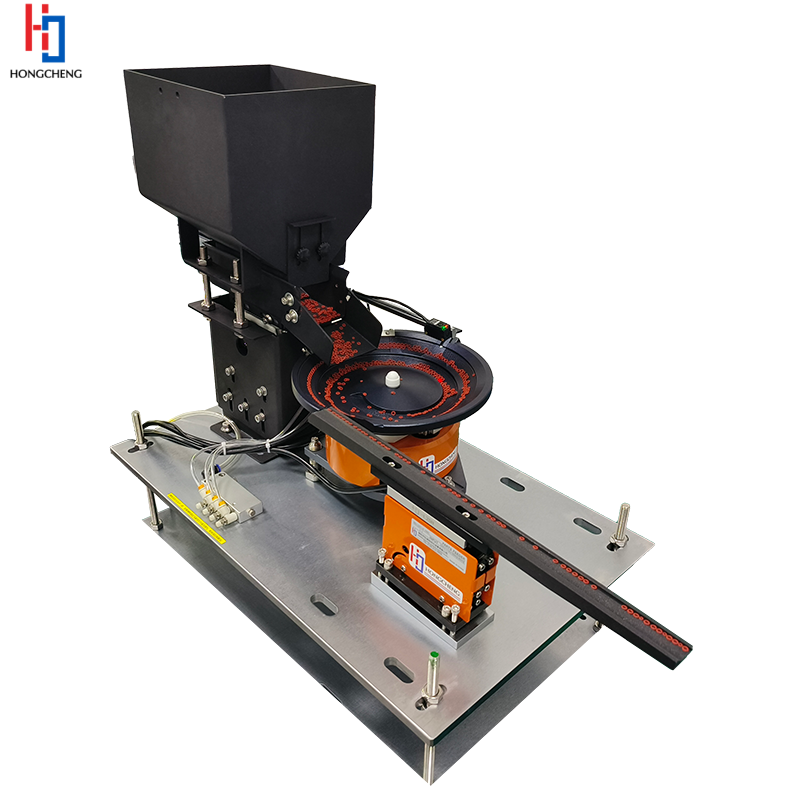
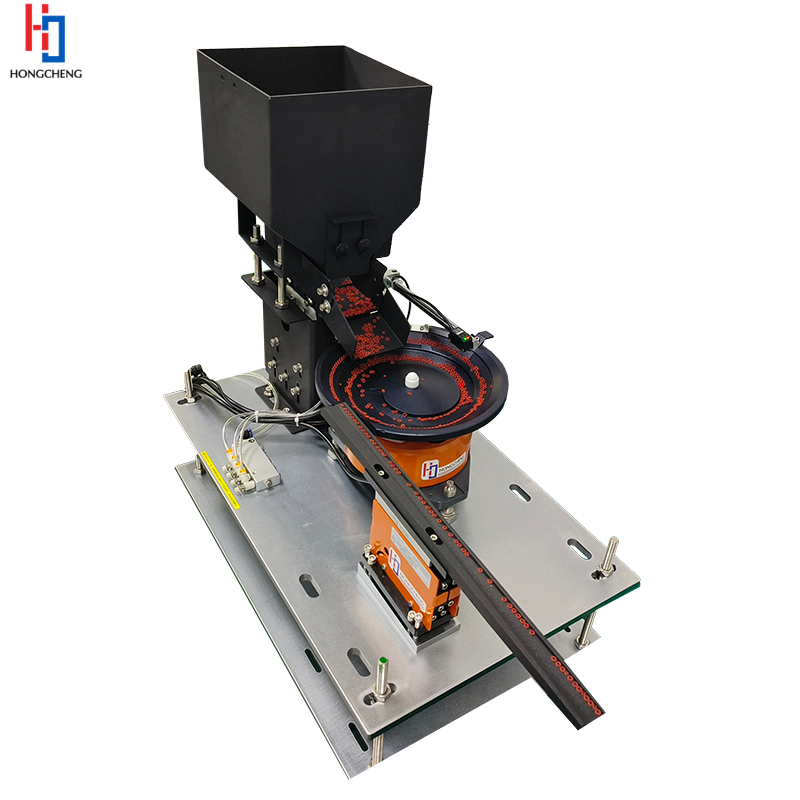
Introduction of o-ring parts feeding system:
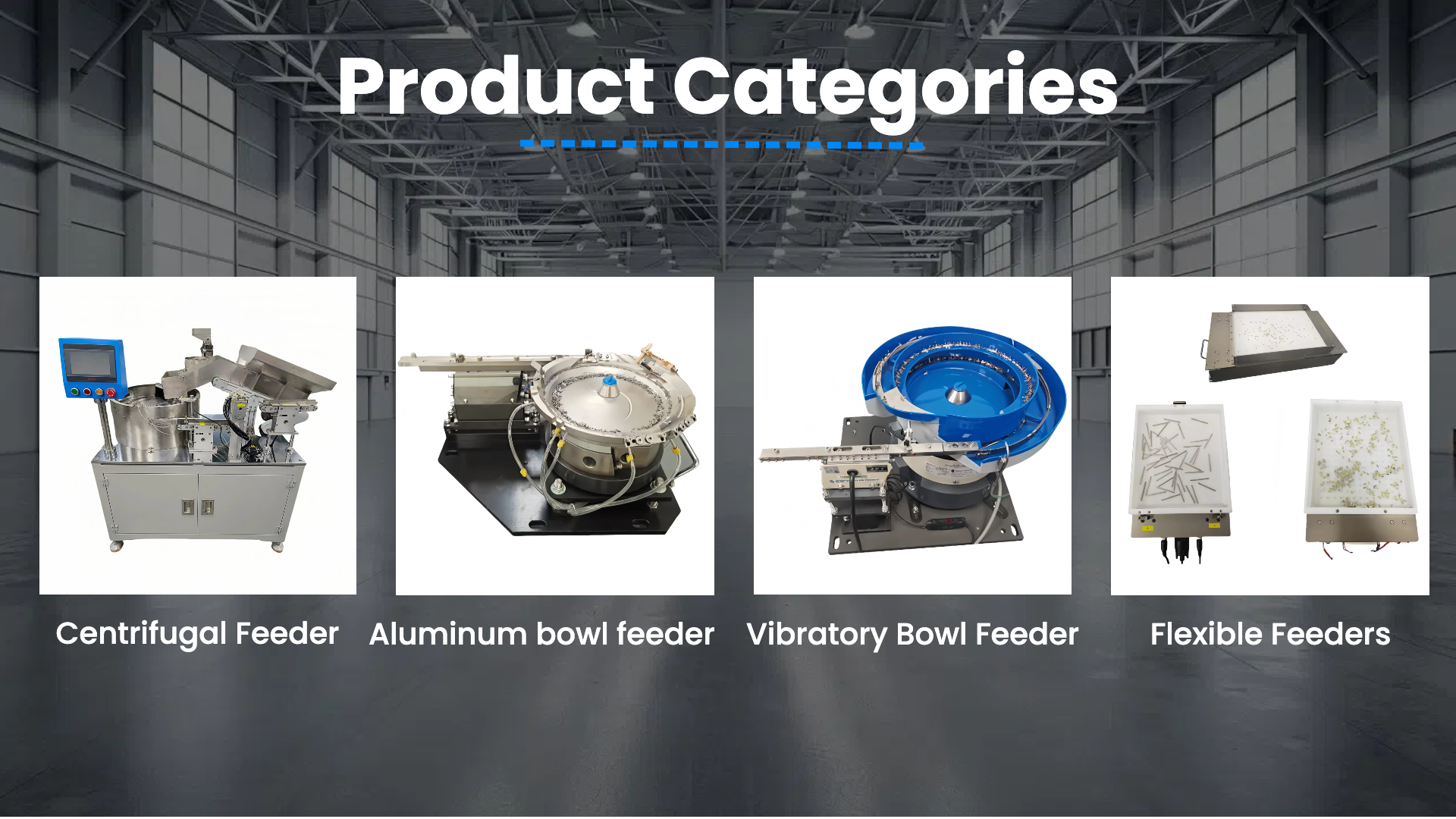
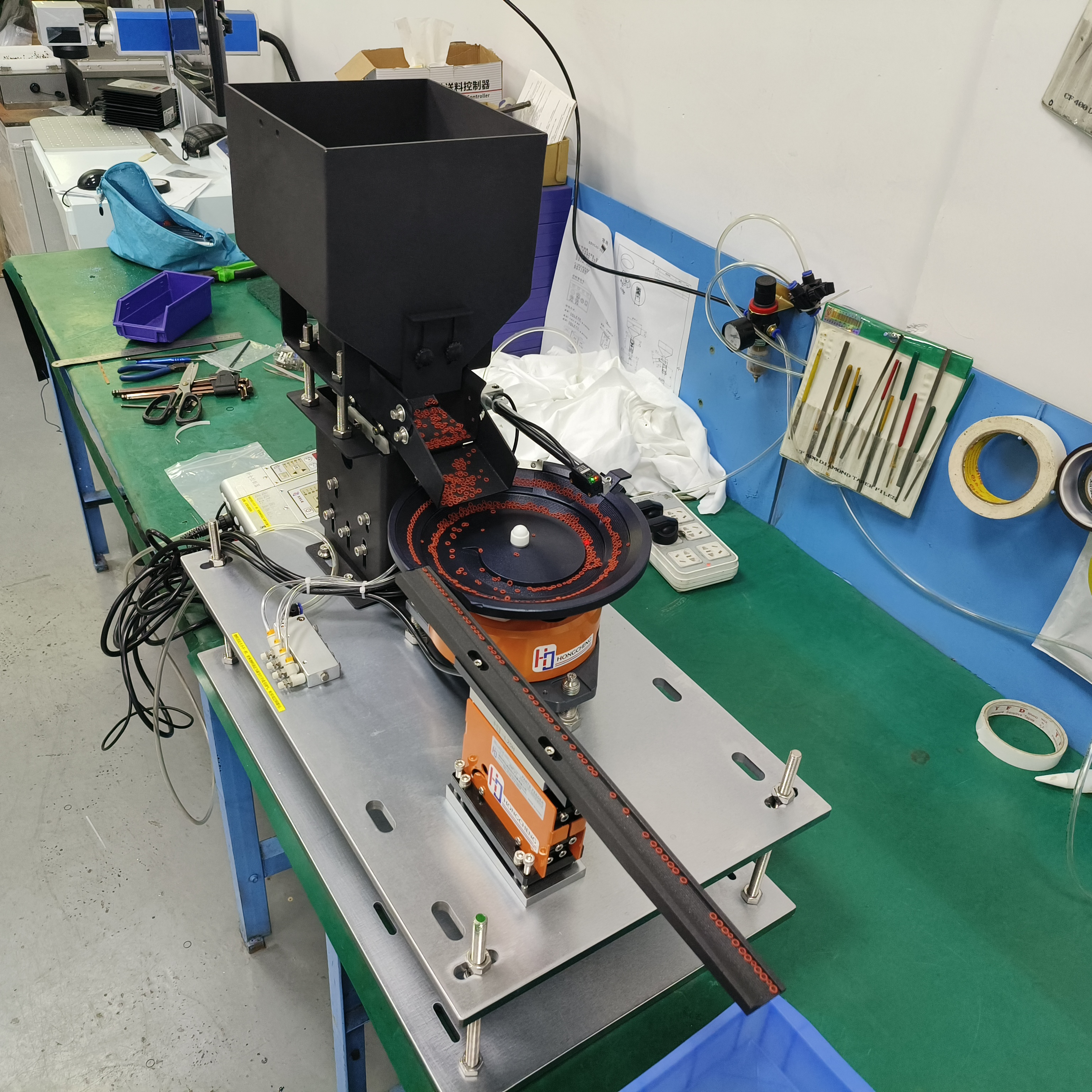
The O-ring vibratory feeder is an automated device designed to arrange scattered and disordered O-rings into an orderly orientation and transfer them to the next production process. The aluminum vibratory bowl feeder for O-rings usually consists of a bowl, a base, a vibrating drive unit, a spiral track, an exit track, a control system, a screening device, shock absorbers, and a support bracket. The vibrating bowl feeder for O-rings uses high-frequency vibration to move the O-rings in a specified direction and speed, thereby achieving the functions of conveying and sorting O-rings.
Advantages of o-ring parts feeding system:
1. O-ring parts feeding system has a wide range of applicability and can be used for parts of various shapes and sizes, especially for small hard parts such as metal and plastic.
2. Aluminum vibratory feeder bowls for hardware can accurately transfer and place parts as required and transfer them to the next process.
3. Multi functional hardware parts vibrating feeder can be seamlessly integrated with other automation equipment to form a complete automated production line.
4.Vibrating bowl feeder for o ring is usually equipped with a protective cover and safety switch to ensure the safety of the operator.
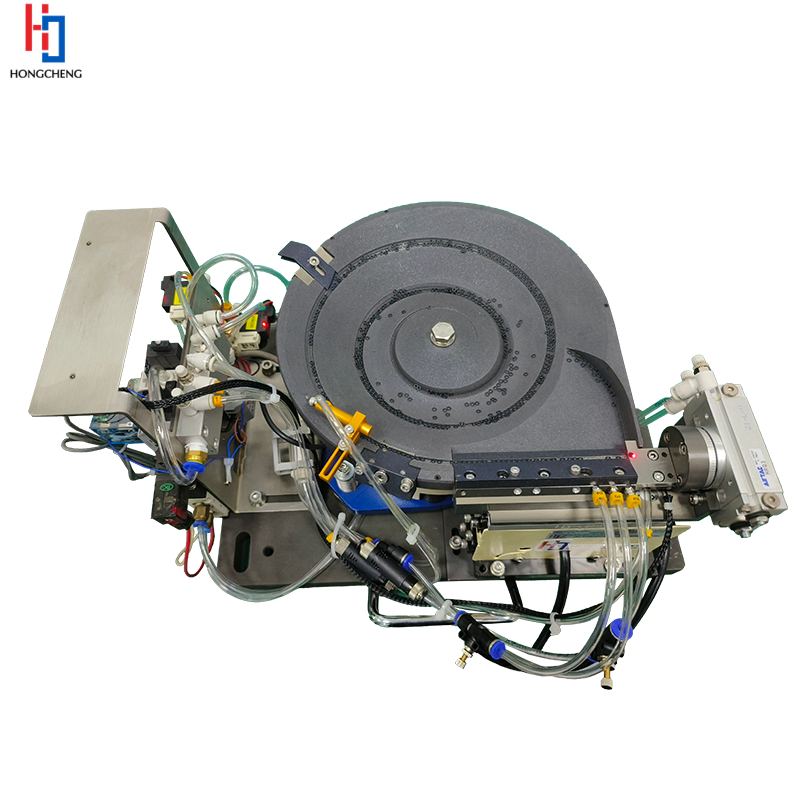
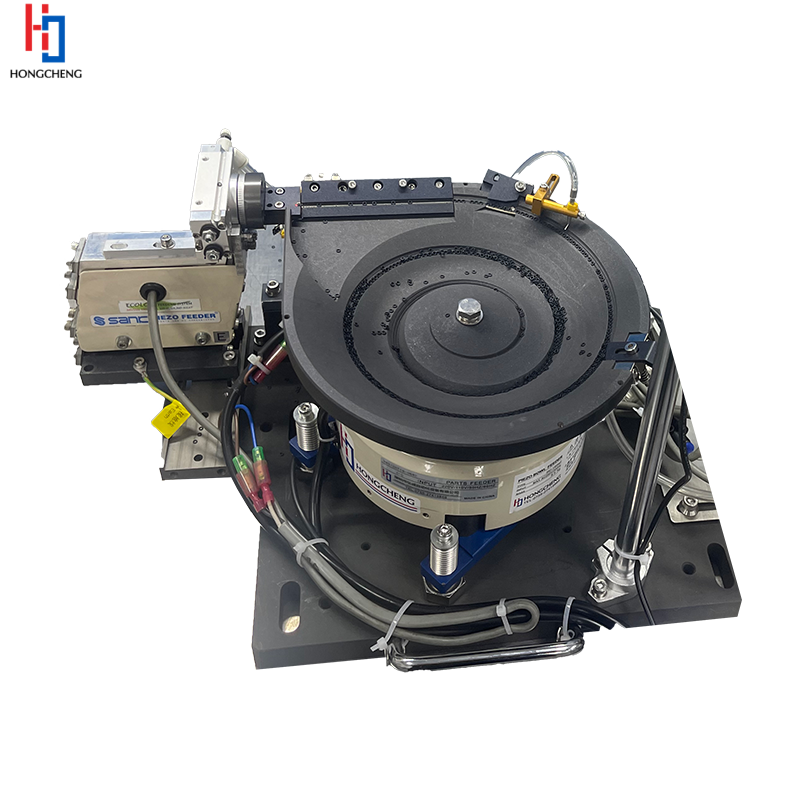
What Types of O-Rings Are Suitable for an O-Ring Feeding System?
An O-ring feeding system is specially designed for the automatic sorting, orienting, and feeding of rubber O-rings. A precision vibratory bowl feeder ensures stable movement, smooth orientation, and continuous output for automated assembly lines.
A customized O-ring feeding system is suitable for the following O-ring types:
1. Standard Rubber O-Rings
The O-ring feeding system is ideal for standard circular rubber O-rings used in sealing applications. The vibratory bowl feeder can handle small to medium diameters with stable feeding performance and no jamming.
2. Small Size O-Rings
For miniature sealing components, a precision vibratory bowl feeder provides accurate orientation and gentle vibration control. The O-ring feeding system ensures high-speed and consistent feeding for automated assembly machines.
3. Silicone O-Rings
Soft silicone materials require controlled vibration. A well-designed O-ring feeding system prevents deformation and overlapping. The vibratory bowl feeder guarantees smooth separation and continuous feeding.
4. NBR / EPDM / FKM O-Rings
Different material properties require different vibration adjustments. A professional O-ring feeding system allows frequency control to match NBR, EPDM, or FKM O-rings, ensuring stable operation of the vibratory bowl feeder.
5. Customized O-Ring Sizes
A tailor-made O-ring feeding system can be designed based on:
Inner diameter
Outer diameter
Thickness
Hardness
The aluminum vibratory bowl feeder structure can be customized to optimize feeding track design for specific O-ring dimensions.
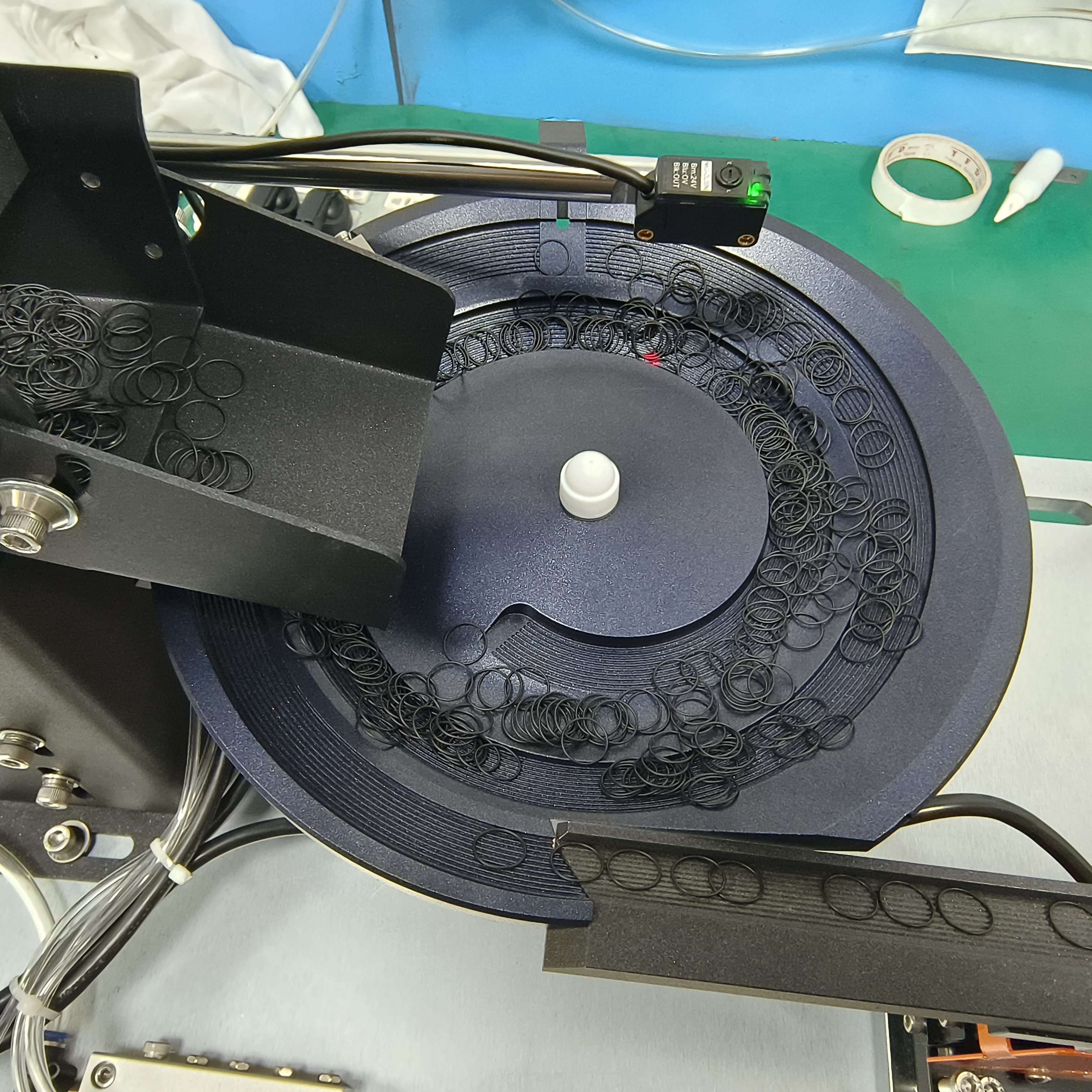
Conclusion
A high-performance O-ring feeding system combined with a precision vibratory bowl feeder is the ideal solution for automatic O-ring assembly, inspection, and packaging lines.
The O-ring feeding system improves production efficiency, reduces manual labor, and ensures stable, continuous feeding performance for sealing component manufacturers.
Parameters of o-ring parts feeding system:
| Name: | O-Ring Parts Feeding System | Material: | Aluminum /Stainless steel |
| Speed: | According to the customer's requirements | Power: | 220W,300W,1000W,1200W |
| Voltage: | 220V/110V | Controller Type: | Frequency Controller |
| Package: | Wooden Case Package | Disk Diameter: | According to the customer's requirements |
Maintenance and maintenance of o-ring parts feeding system:
In order to ensure the normal operation of o-ring parts feeding system, we need to maintain the equipment regularly. After long-term use, there will be metal chips and dust residues in the vibrating plate of aluminum vibratory feeder bowls for hardware. We need to clean them in time to avoid blockage during transportation. We also need to check the vibrating parts of multi functional hardware parts vibrating feeder frequently. If the relevant parts (springs, vibrating plates, etc.) are damaged and deformed, they need to be replaced in time. Usually, you should also pay more attention to the feeding of vibrating bowl feeder for o ring, and observe whether the feeding speed and feeding direction are normal. If you find abnormalities, you can adjust the vibration frequency and track guide.
FAQ:
1. How to adjust the feeding speed of vibrating bowl feeder for o ring?
A: It can be adjusted by adjusting the vibration frequency and amplitude of the vibrating plate. The controller configured by the equipment can adjust the parameters manually or automatically. If you want a faster feeding speed, increase the speed appropriately. If you want a more precise arrangement, reduce the amplitude.
2. What are the common faults of vibrating bowl feeder for o ring?
A: Generally speaking, if the hardware vibratory feeder bowl is regularly inspected and maintained, the probability of failure is very small. If it is not maintained for a long time or used abnormally, the following problems May occur: Unstable feeding speed, parts stuck or inaccurate arrangement.
3. How to solve common faults of hardware vibratory feeder bowl?
A: The problems of unstable feeding speed, parts stuck or inaccurate arrangement are usually caused by track blockage, spring sheet damage or improper electromagnet gap. The solution is to clean the track regularly, check and replace damaged spring sheets, and adjust the gap between the electromagnet and the vibrating plate.
About us:
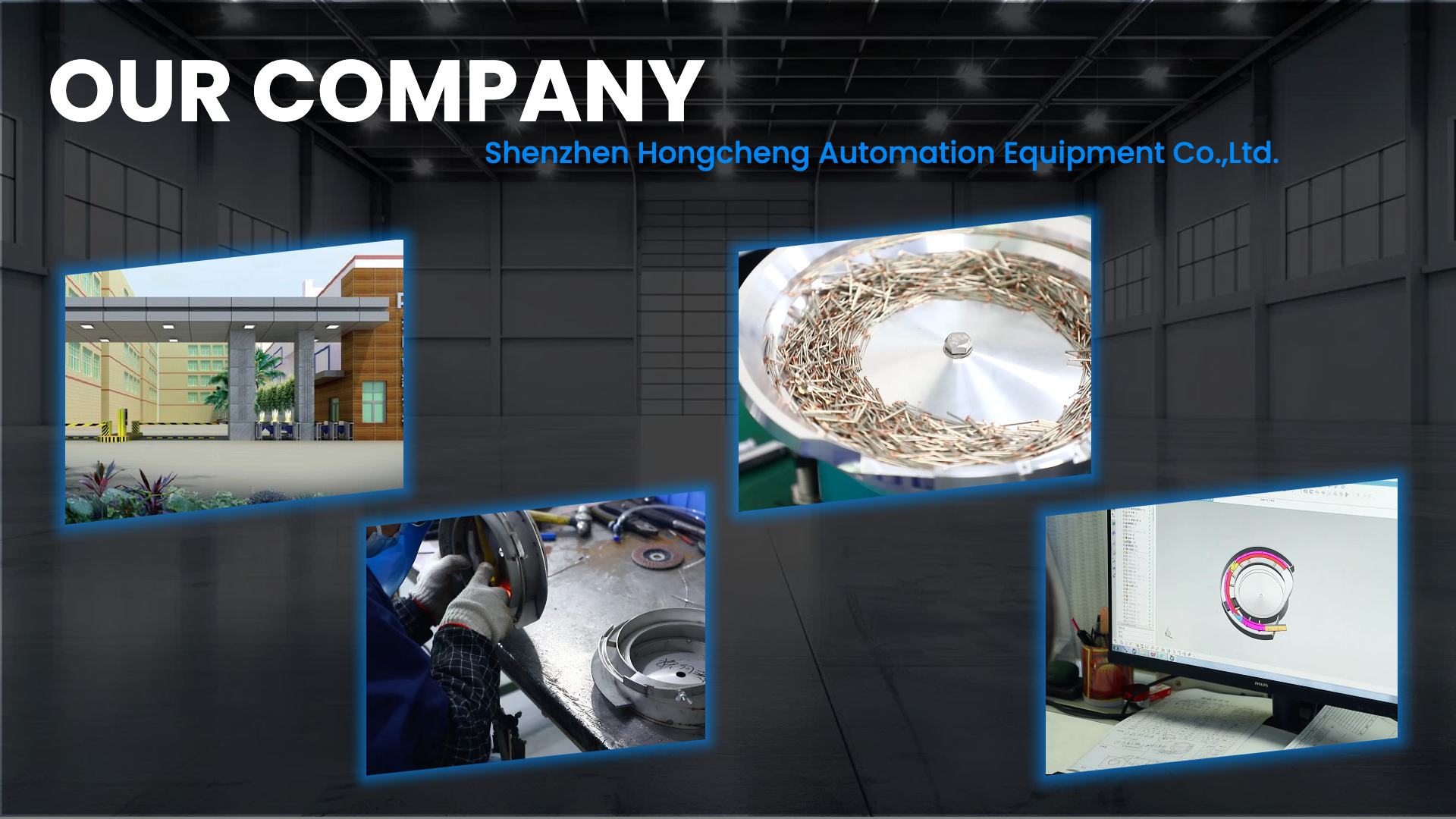
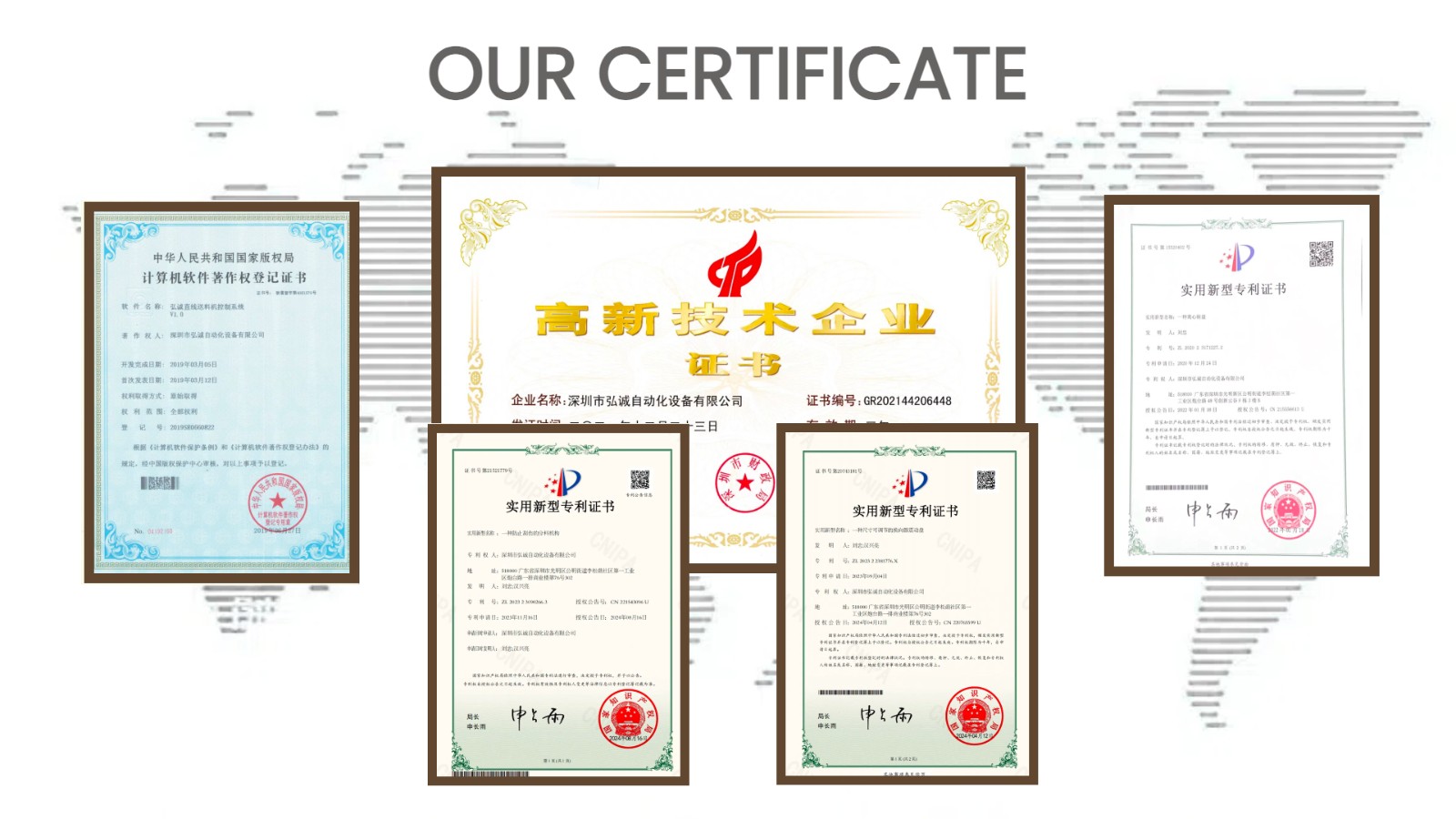
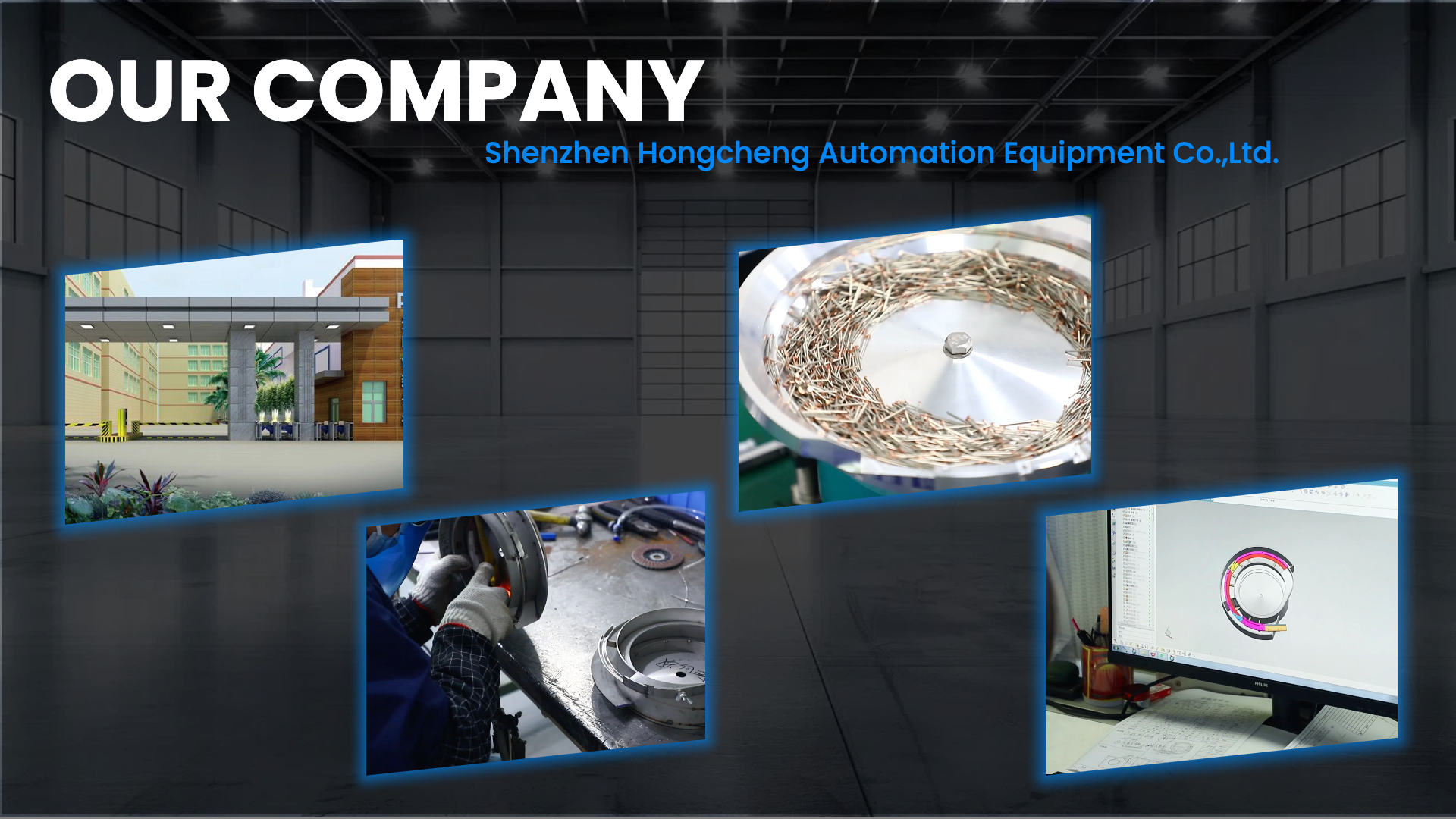
Shenzhen Hongcheng Automation Equipment Co., Ltd. is a high-tech enterprise focusing on the research and development, production and sales of non-standard automation equipment, and is committed to providing customers with efficient, reliable and customized automation solutions. The company's main products are various types of feed trays, and it has accumulated rich experience in the research and development, sales and service of related fields. Adhere to customer needs as the core, continue to innovate, and improve product quality and service standards.