
Why Odd-Shaped Hardware is a Nightmare for Standard Feeders
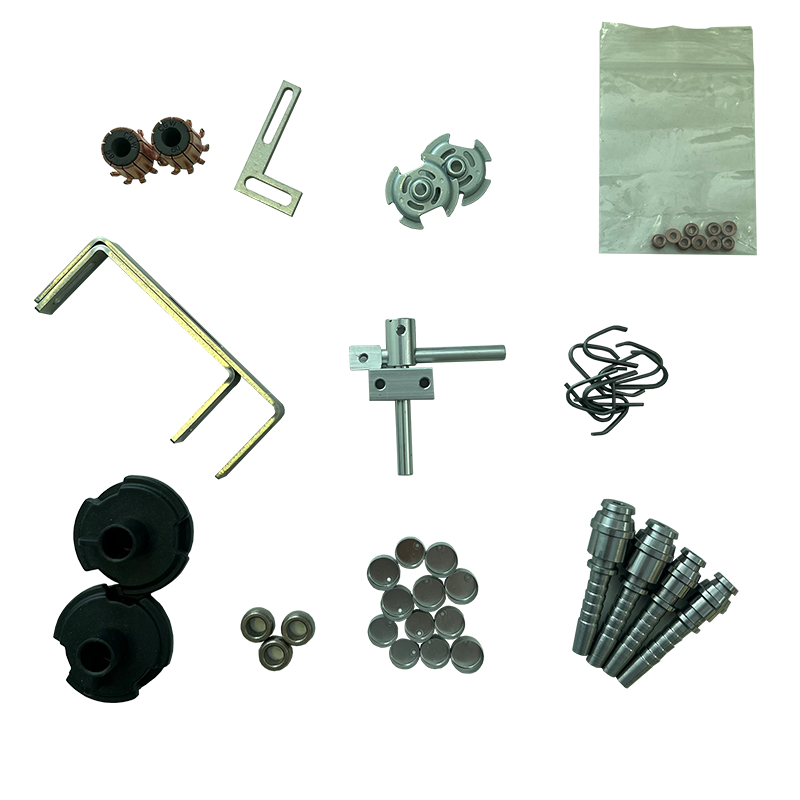
Many automated production lines struggle with irregularly shaped components—such as springs, hooks, or offset-center brackets. Unlike standard bolts or nuts, these parts tend to:
Interlock and Nest: Causing the entire bowl to stop.
Inconsistent Orientation: Standard tracks cannot determine which side is "up."
Surface Damage: Sensitive odd-shaped parts are easily scratched by aggressive vibration.
The Hidden Costs of Poorly Fed Irregular Parts
Using an ill-fitted feeder for complex hardware isn't just a minor inconvenience ;it's a bottleneck that impacts your entire ROI:
Frequent Jams:Irregular parts tend to "bridge" or "nest,"stopping the flow and requiring manual intervention.
Component Fatigue: Excessive vibration in a poorly designed bowl can lead to surface scrathes or structural damage.
Reduced OEE: If your feeder is running at only 60% reliability ,your entire assembly line is also limited to that same 60%.
Engineering the Solution:4 Critical Customization Factors
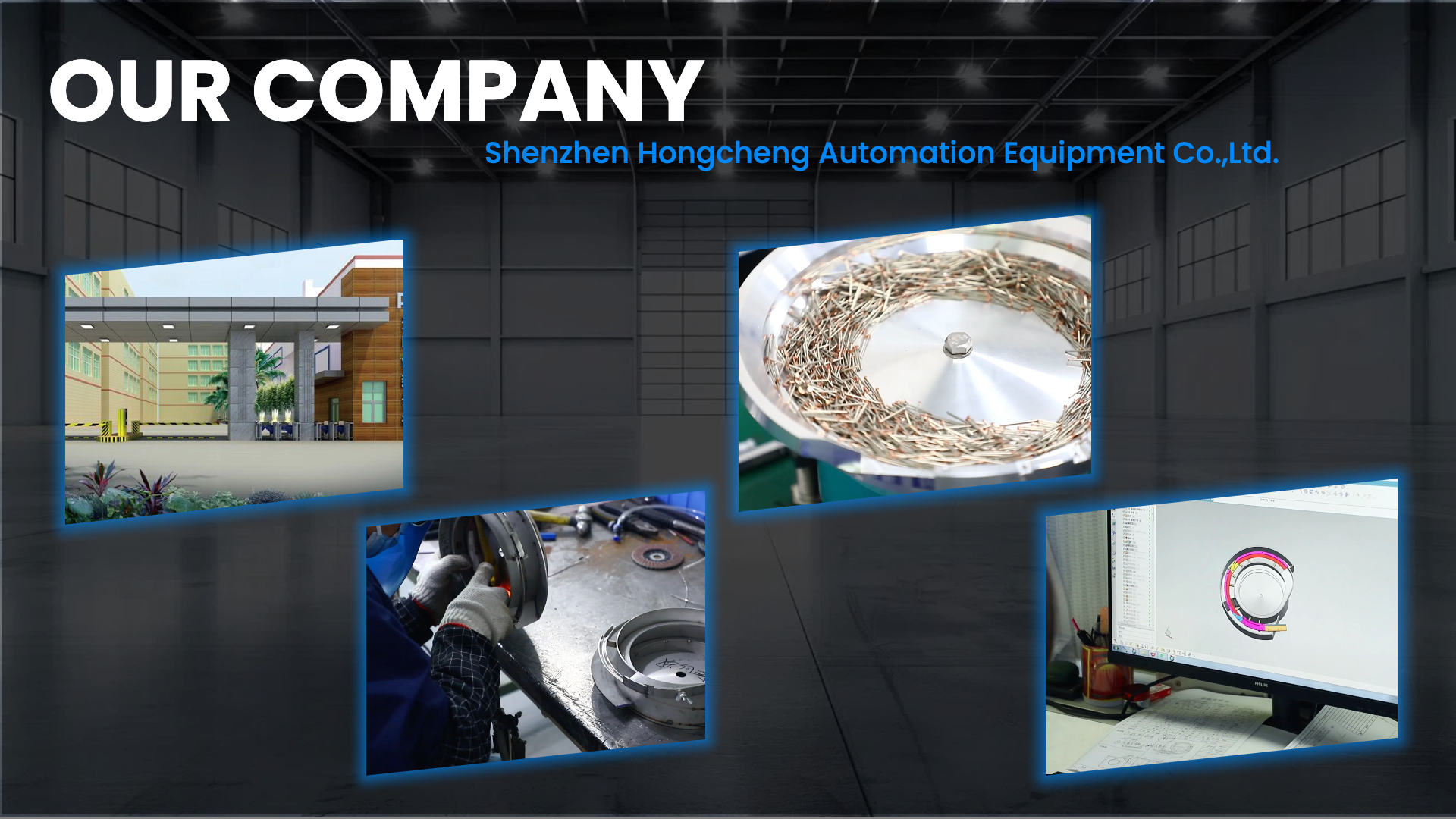
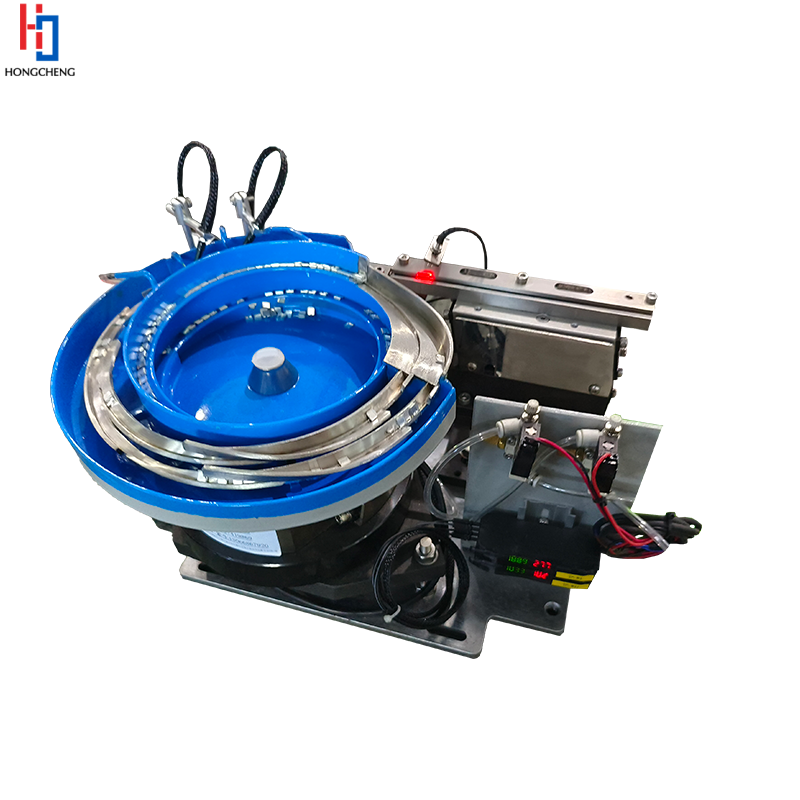
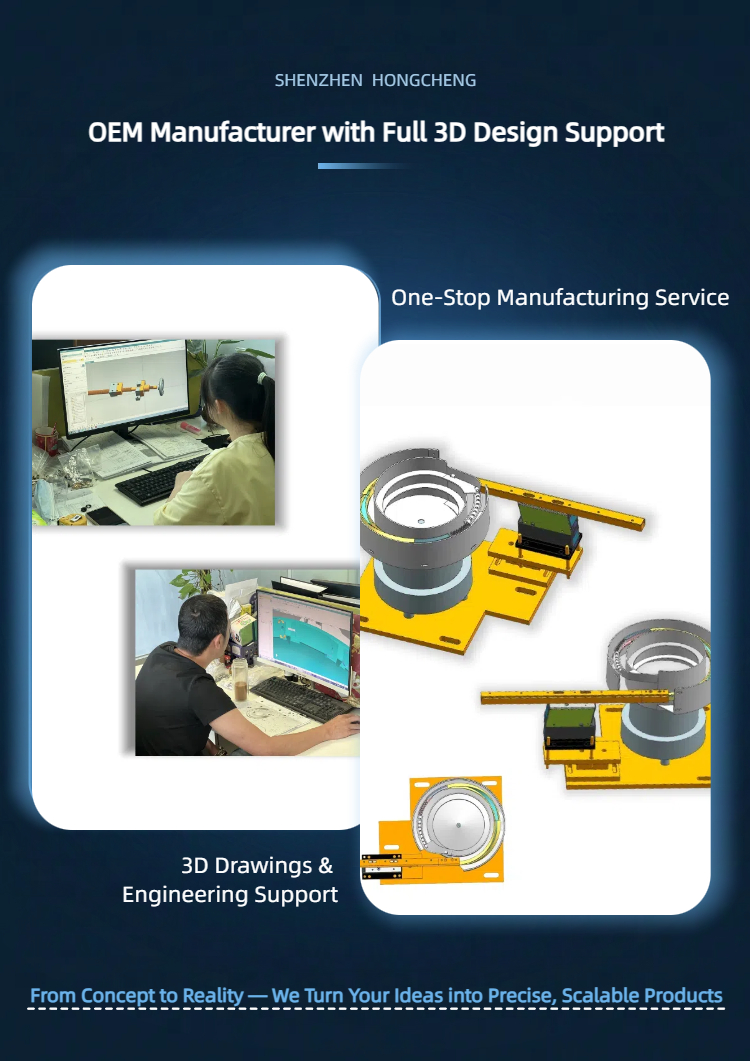
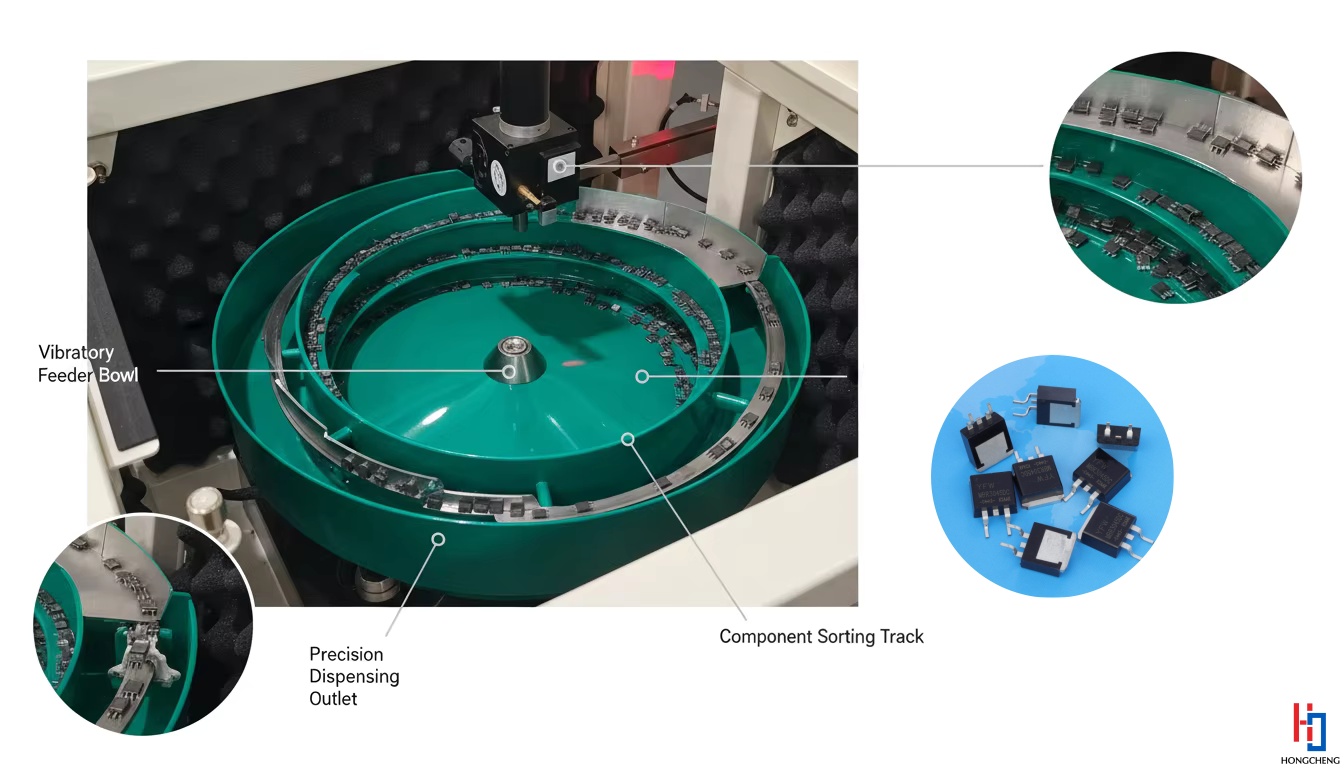
Precision CAD/CAM Design: We utilize advanced CAD software to simulate the movement of the part. In our Vibratory Bowl Feeders,the tracks are CNC-milled with micron-level precision to ensure that only correct "profile" of the part can pass through.
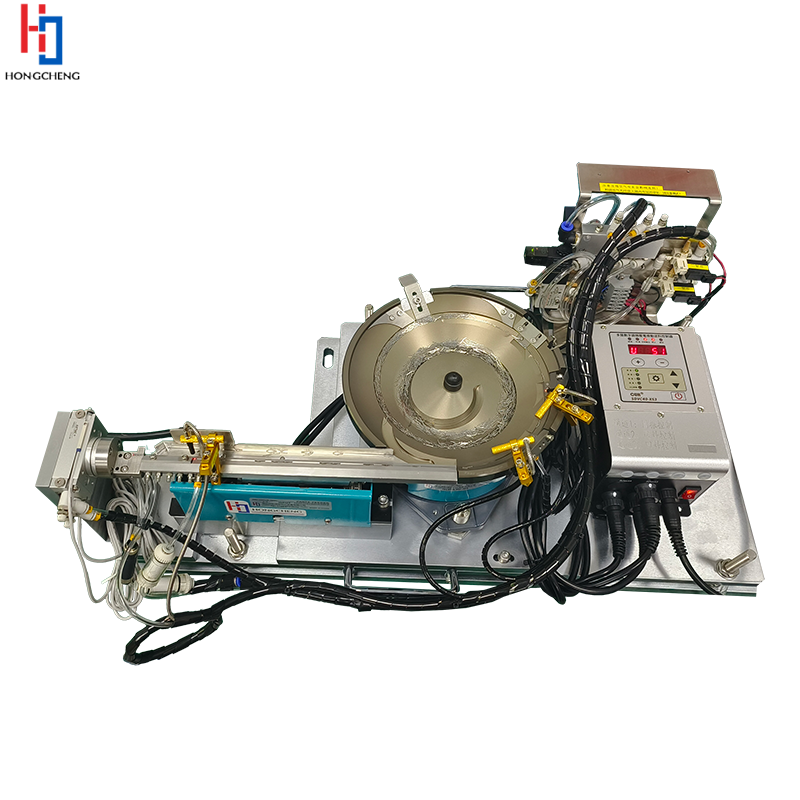
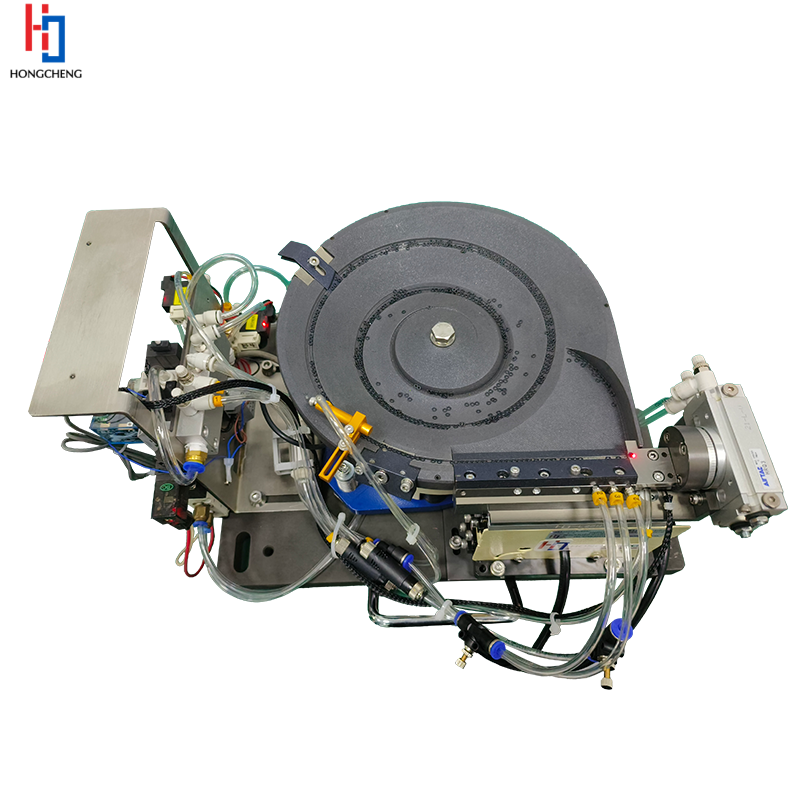
Strategic Air Logic: We intergrate precisely aimed air jets that act as filters, blowing back any part that doesn't fit the exact orientation required for the next stage.
Specialized Surface Coatings: Depending on the material, we offer PU or Teflon coatings to protect aesthetic surfaces and significantly reduce noise levels in the workshop.
Digital Frequency Controllers: Irregular parts often require fine-tuning. Our digital controllers allow for precise amplitude adjustment,ensuring a steady "hop" rather than a chaotic bounce.
Frequently Asked Questions(FAQ)
Q1: Can you handle parts that interlock,like springs?
A1: Yes. We use specialized gravity-based track steps that pull interlocking parts apart before they reach the sorting area.
Q2: How do I know if my part is too "odd" for a bowl feeder?
A2: Very few parts are impossible. If a part has at least one unique physical feature, we can orient it. Send us a sample for a free video test!
Q3: What is the typical lead time for a custom feeder?
A3: For complex, non-standard shapes, the engineering and testing typically take 3-4 weeks to ensure 100% reliability.
Conclusion :Partner with Hongcheng for Precision Automation
Whether you are in the automotive,medical,or electronics sector,Shenzhen Hongcheng Automation provides the technical expertise to turn your "un-feedable" parts into a seamless stream of productivity.
Ready to optimize your line?
Email: rubin@szhcfeeders.com
WhatsApp: +86 18742554256
[Request a Free Quote Now]
